

Cart
0

Let’s talk shop. If you’re reading this, you’ve probably felt that specific rush when a fresh Japanese Pokémon booster box arrives at your door. There’s something about the compact size, the superior card stock, and the sheer elegance of Japanese packaging that makes the English equivalent feel like a toy.
But here’s the reality: the market for sealed Japanese Pokémon cards has evolved into a high-stakes arena. It’s no longer just a hobby; for many, it’s a strategic asset class. Whether you’re a "rip-and-grader" or a "sealed-case-hoarder," the margin for error is razor-thin. I’ve seen seasoned collectors lose thousands because they missed a red flag on a seal or timed their entry into a set during a dead-cat bounce.
If you want your collection to look like a museum-grade vault rather than a cluttered closet, you need to stop making these seven common mistakes.
1. Falling for the "Launch Day Fever"
The biggest mistake collectors make? Buying the minute a set drops. We call this "The Hype Tax." When a new set like Super Electric Breaker or Cyber Judge is announced, the FOMO (Fear Of Missing Out) is real.
Prices usually peak 48 hours before and 72 hours after the Japanese release date. Why? Because the supply hasn't hit international shores yet. You’re paying for the privilege of being first. If you wait just 3 to 5 weeks, the market usually stabilizes as the second wave of Japanese retail supply hits.

2. Ignoring the "Shrink Wrap" Science
Authenticity is the bedrock of your investment. Unlike English boxes, which use a fairly standard (and easily faked) shrink wrap, Japanese Pokémon cards have specific factory sealing signatures.
Authentic Japanese boxes feature a tight, heat-sealed wrap with a very specific "pull tab" or perforated line. If the wrap feels loose, looks excessively glossy, or lacks the signature factory "fold" on the sides, stay away. At jayspokehub.com, we obsess over seal integrity because a re-sealed box isn't just a disappointment: it’s a total loss of value. Always inspect your seals under high-contrast, cinematic lighting to catch the subtle textures that fakes get wrong.
3. The "Reprint Roulette" Blunder
In 2026, we’ve seen the Pokémon Company get aggressive with reprints. A box that’s worth $150 today can drop to $80 tomorrow if a massive reprint is announced.
Mistake number three is failing to track the "High Class" set cycle. Sets like VSTAR Universe or the legendary Japanese 151 are prime candidates for reprints because the demand is perennial. Before you go all-in on a case, check the current print status. If the set is less than 18 months old, a reprint is always on the table. For a deeper dive into why some sets hold value better than others, check out our guide on Why the Japanese VSTAR Universe Booster Box is a Must-Have.
4. Buying from "Ghost" Sellers
The internet is full of "deals" that are too good to be true. If you’re buying from a seller with no history, no physical presence, and prices 30% below market, you aren't buying a booster box; you’re buying a headache.
You need a partner, not just a vendor. You want a source that understands the nuances of the Japanese market. We pride ourselves on being that bridge. Our latest products collection is curated specifically for collectors who demand museum-grade quality and iron-clad authenticity.

5. Neglecting Environmental Integrity
You’ve spent thousands on sealed Japanese Pokémon cards. You put them on a shelf. Three years later, you notice the box art is faded and the shrink wrap is brittle.
Mistake #5 is treated sealed boxes like books. UV light is the silent killer of box value. If you’re serious, you need acrylic cases with UV protection. High-value boxes should be stored in a climate-controlled environment with consistent humidity. Remember, you aren't just selling the cards inside; you’re selling the condition of the packaging.

6. Overlooking the "Pack-to-Hit" Ratio
Japanese boxes are fundamentally different from English ones. Most Japanese boxes guarantee a Secret Rare (SR) or better. The mistake collectors make is "blind ripping." If you’re opening boxes to find cards to grade, you need to know the pull rates.
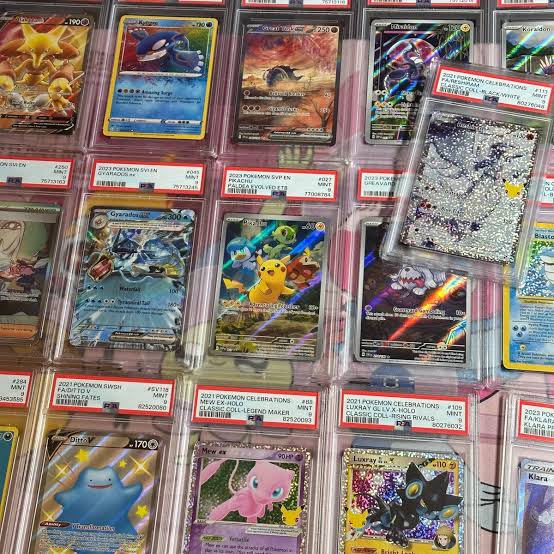
Some sets, like the "High Class" packs, have 10 cards per pack and a guaranteed hit. Others have 5 cards and a much harder pull rate. Knowing the math helps you decide whether to keep a box sealed or send the contents to PSA. If you decide to go the grading route, check out our curated graded collection to see what "perfect" looks like.
7. Treating All Sets as Equal
Not every pokemon booster box is a winner. A common mistake is buying "filler" sets because they’re cheap. In the long run, the "waifu" sets (female trainers) and iconic Pokémon like Charizard or Rayquaza will always outpace the rest.
If you’re looking for the "Gold Standard," focus on sets with historical significance or unique art styles. For example, The Glory of Team Rocket is a cornerstone for any serious Japanese collection. You can find it right here: The Glory of Team Rocket Japanese Booster Box.

How to Time Your Buys: The Pro Strategy
Timing the market is an art form. Here is the blueprint we use at Jay’s Poke Hub to ensure we’re getting the best value:
The 3-6-12 Rule
- 3 Months Post-Launch: This is the "Sweet Spot." Initial hype has died down, second-wave supply is peaked, and prices usually hit their local floor. This is the time to buy for your personal collection.
- 6 Months Post-Launch: Check for reprint rumors. If the set hasn't been reprinted by month 6, the price will start a slow, steady climb.
- 12 Months Post-Launch: Out-of-print (OOP) territory. If you haven't bought by now, you’re officially chasing the market.
Watch the "Japanese Yen"
Since we’re dealing with japanese pokemon cards, the exchange rate matters. When the Yen is weak against the Dollar, your buying power increases. Smart investors keep one eye on the currency markets and the other on the cards.
The "Special Set" Exception
Holiday sets (usually released in December) like VSTAR Universe or Shiny Treasure ex follow a different path. They stay in print longer because they are meant to be the "evergreen" product for the year. Don't rush these; the supply is usually massive enough to keep prices flat for at least 6 months.
The Verdict: Quality Over Everything
At the end of the day, the Japanese market rewards the disciplined. Don't let the flashy lights of a new release blind you to the fundamentals. Verify your seals, know your sellers, and for heaven's sake, stop buying during the launch-day spike.
Whether you're looking for that next centerpiece for your display or a long-term hold, we’ve got you covered. Explore our full collection of Japanese sealed products and see the difference that museum-grade curation makes.
Stay strategic, keep your seals tight, and happy collecting. If you need a second opinion on a box or want to talk market trends, you know where to find us.
Browse our latest arrivals: jayspokehub.com/collections/all


