

Cart
0

Get ready to step back into the year 2000. Pokémon-mania wasn't just a fad; it was a global phenomenon that was about to undergo its first massive evolution. After the legendary run of the Base Set, Jungle, Fossil, and the Gym series, collectors were hungry for something beyond the original 151.
Enter Neo Genesis.
Released in December 2000 (and earlier in February 2000 in Japan as Gold, Silver, to a New World), Neo Genesis didn't just add more cards to the deck; it fundamentally rewrote the rules of the Pokémon Trading Card Game. It introduced a new region, new mechanics, and a design aesthetic that many veteran collectors still consider the "Golden Era" of the hobby.
At Jays Poke Hub, we see Neo Genesis as the bridge between the experimental early days and the sophisticated TCG we play today. Let’s dive deep into the Johto Revolution.
The Dawn of the Johto Era
For the first time in TCG history, the borders of the Kanto region were crossed. Neo Genesis brought the Johto region to life, introducing over 60 Generation II Pokémon to the card game. This wasn't just a "Part 2" of the original series: it felt like a fresh start.
The set was massive in its cultural impact. Suddenly, we weren't just looking for Charizard; we were hunting for Typhlosion. We weren't just evolving Eevee into Jolteon; we were looking for the mysterious new Eeveelutions, Espeon and Umbreon (though they would take center stage in later Neo sets, the groundwork started here).
A Visual Evolution
If you look closely at a Neo Genesis card compared to a Base Set card, you’ll notice a significant shift in design. This set introduced the updated card template that would carry through the early 2000s:
- The Evolution Box: Switched to a circular design.
- HP Text: Changed from red to black.
- Information Placement: The Evolution Stage was moved below the HP.
- Background Graphics: New, cleaner graphics for Weakness and Resistance.
This visual refresh made the cards look modern and sleek, mirroring the leap from the Game Boy to the Game Boy Color.

Game-Changing Mechanics: Steel and Darkness
Neo Genesis wasn't just a cosmetic update. It introduced three major gameplay innovations that completely restructured the competitive meta.
1. The Debut of New Types
For the first time, Darkness and Metal types appeared. These weren't like your standard Fire or Water types. Back then, Darkness and Metal Energy were "Special Energy" cards. You couldn't just throw in a basic Darkness energy; you had to find the specific special energy cards that provided these types and added defensive or offensive buffs. This added a layer of strategy that the TCG had never seen before.
2. Baby Pokémon
The introduction of "Baby Pokémon" like Pichu, Cleffa, and Magby created a unique tactical hurdle. These were Basic Pokémon, but they came with the "Baby Rule." If your opponent tried to attack a Baby Pokémon, they had to flip a coin. If they flipped tails, their turn ended immediately without an attack. This "coin flip" mechanic made cards like Cleffa staples in almost every competitive deck of the era.
3. Pokémon Tools
Taking a page directly from the Pokémon Gold and Silver video games, Neo Genesis introduced Pokémon Tools. These were Trainer cards that you could permanently attach to a Pokémon in play. Whether it was a Focus Band to survive a knockout or a Berry to heal damage, these "held items" transformed how players built their decks.
The Icons: Lugia and the Johto Starters
Every great set needs a mascot, and Neo Genesis had the ultimate heavy hitter: Lugia.
Lugia was the face of the Johto region, starring on the box art of Pokémon Silver. In the TCG, the Neo Genesis Lugia (often referred to as the "T17" Lugia by collectors due to its holo number) became an instant legend. The artwork, featuring Lugia soaring through a swirling silver sky, is widely regarded as one of the most beautiful pieces in the history of the game.
But Lugia wasn't alone. Neo Genesis gave us two different versions of the Johto starters: Meganium, Typhlosion, and Feraligatr.
- Typhlosion (17/111 and 18/111): The "Fire Recharge" Typhlosion became a competitive powerhouse.
- Feraligatr: Known for its "Berserk" attack, it was a favorite for players who liked high-risk, high-reward gameplay.
- Meganium: The defensive backbone of many Grass-type decks.
Having two different artworks and holofoil versions for each starter made completing the set a thrilling challenge for collectors.

The Investment Value: Why Neo Genesis Still Rules
If you’re looking at the market today, Neo Genesis is often cited as a top-tier choice for long-term holders. Why? Because it sits in a "sweet spot" of nostalgia and rarity.
Low Pop and High Demand
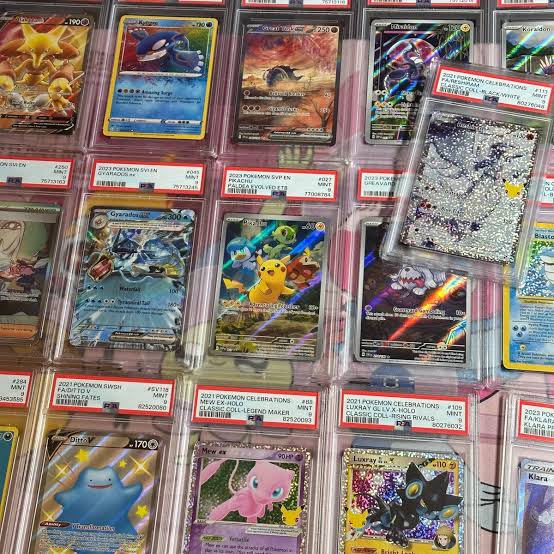
While Base Set was printed into oblivion, Neo-era sets had a slightly more controlled release. Finding "Mint" or PSA 10 copies of Neo Genesis holos is notoriously difficult. Why? Print Lines.
The manufacturing process in 2000 wasn't perfect. A huge percentage of Neo Genesis holofoils came out of the pack with horizontal or vertical print lines. If you manage to find a Lugia or a Typhlosion without these factory defects, you are holding a true gem. For more tips on what to look for, check out our beginner to expert collecting guide.
The First Appearances
Neo Genesis marks the "First Appearance" for dozens of fan-favorite Pokémon. In the world of collecting, the first time a character appears on a card is always the most valuable version. Whether it's the first Togepi, the first Skarmory, or the first Steelix, these cards hold a historical weight that newer sets simply can't match.
Sealed Product Scarcity
Finding a sealed Neo Genesis booster box today is like finding a sunken treasure chest. Because many people stopped collecting after the "initial fad" of 1999, fewer boxes were saved in closets compared to Base Set. This scarcity has driven the price of sealed Neo product into the stratosphere. At Jays Poke Hub, we specialize in sourcing authentic sealed Pokémon products, but Neo-era boxes remain the "white whales" of the industry.
Key Cards Checklist: What to Hunt For
If you’re starting your Neo Genesis journey, here are the cards that should be at the top of your list:
- Lugia (Holo 9/111): The undisputed king of the set. A PSA 10 copy is a cornerstone for any high-end collection.
- Typhlosion (Holo 17/111): Often considered the most valuable of the starters due to its competitive history and stunning fire-swirl artwork.
- Pichu (Holo 12/111): The "face" of the Baby Pokémon and a massive fan favorite.
- Steelix (Holo 15/111): The first representation of the Steel type and an iconic Gen 2 powerhouse.
- Skarmory (Holo 13/111): Another "First Appearance" for a legendary Johto bird.
If you are looking to branch out into the Japanese side of things, the Japanese equivalent Gold, Silver, to a New World features the same incredible art but often with the superior Japanese holofoil quality. You can explore our Japanese Pokémon Cards collection to see if we have any vintage Johto heat in stock.
Final Thoughts: The Johto Legacy
Neo Genesis was more than just a set; it was proof that Pokémon had staying power. It showed us that the world of Pokémon could grow, evolve, and introduce new layers of complexity without losing the magic that made us fall in love with it in the first place.
Whether you’re a competitive player looking to understand the roots of the game or an investor looking for the next vintage "moon" card, Neo Genesis is a set that demands respect. It’s the Johto Revolution that changed everything.
Stay up-to-date with more Set Spotlights and market trends right here on the Jay's Poke Hub blog. If you have questions about grading your vintage Neo cards or want to know what's coming next, don't hesitate to contact us.
Discover your next chase card today!


