

Cart
0

You've got a budget. Maybe it's $100, maybe it's $1,000. The question hits every collector the same way: do you grab that sealed Japanese booster box that's calling your name, or do you hunt down specific singles to fill gaps in your collection?
Here's the truth: both paths work in 2026, but they work differently. Let's break down which strategy fits your goals (and your wallet).
Why Japanese Cards Hit Different
Before we dive into the sealed vs. singles debate, let's talk about why Japanese Pokémon cards deserve their own spotlight. The quality is noticeably better: sharper colors, cleaner textures, and more consistent finishes. If you've held a Japanese card next to its English counterpart, you know exactly what we're talking about.
This isn't just aesthetic preference. Better print quality translates to better grading potential down the road. Japanese cards have a reputation for hitting PSA 10 more consistently, which matters whether you're collecting for love or investment.
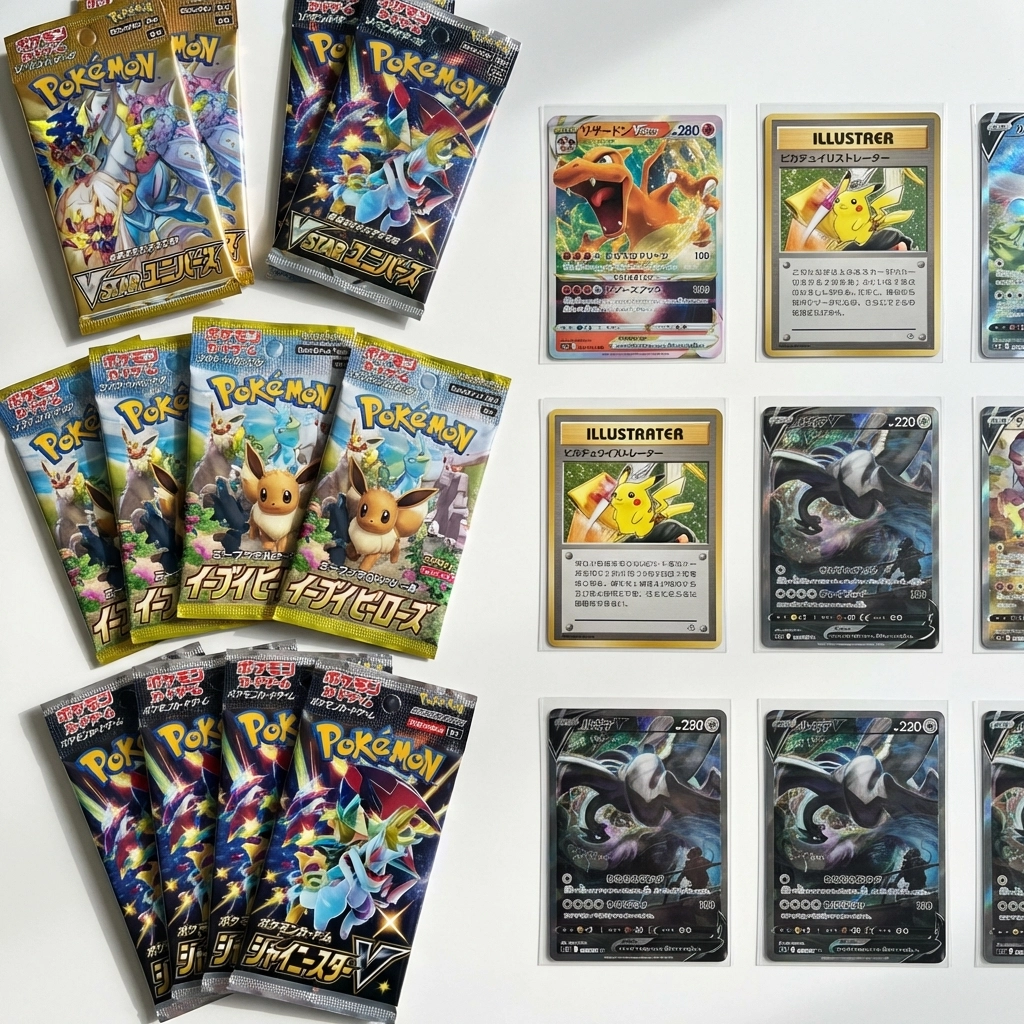
The Case for Sealed Japanese Products
Sealed products are the steady-Eddie approach to building your collection. When you buy a sealed booster box or Elite Trainer Box, you're getting guaranteed authenticity, no surprises, and a product that typically appreciates over time.
The Pros:
Low volatility is the name of the game. Sealed products rarely experience dramatic value drops. Even during market corrections, sealed Japanese boxes hold strong because supply is finite. Once a print run ends, that's it: no reprints, no surprise restocks tanking your investment.
You also get peace of mind. When you crack open packs yourself, you know exactly where those cards came from. No authentication headaches, no wondering if that chase card is legit. Just pure, unadulterated pack-cracking joy.
The returns speak for themselves. Over the past couple years, sealed Japanese products have delivered 100-400% returns across 24-month periods. Products like Elite Trainer Boxes and booster boxes show consistent appreciation, especially for sets featuring popular Pokémon or unique mechanics.
The Cons:
Patience is required. Sealed products grow in value gradually. You won't see overnight spikes (usually). This is a long-game strategy that rewards collectors who can sit on product for 12-24 months or longer.
Storage becomes real. Sealed boxes take up space. If you're collecting seriously, you'll need dedicated storage that keeps products safe from humidity, sunlight, and curious pets.
The upfront cost hits harder. A sealed Japanese booster box runs anywhere from $60-200+ depending on the set. That's a chunk of change compared to buying individual singles.
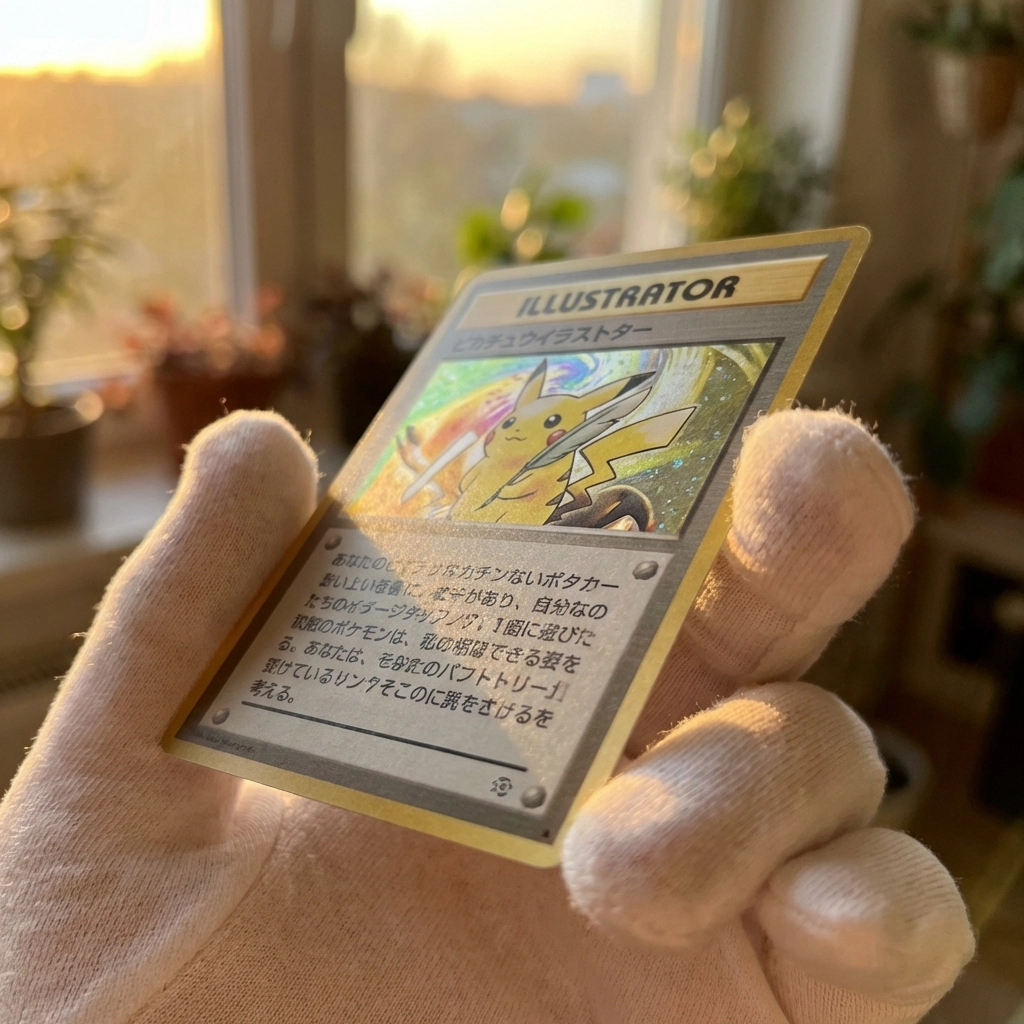
The Case for Singles
Singles are the precision strike approach. You know exactly what you're getting, and you can target specific cards that complete sets or scratch that nostalgic itch.
The Pros:
Explosive gain potential is the headline here. The right single: especially when graded: can deliver 200-700% returns. A raw card pulled from a fresh pack might be worth $50, but grade it to PSA 10 and suddenly you're looking at $250-400.
Immediate gratification matters to collectors. You want that specific alt art? That particular character? Singles let you build your dream collection without gambling on pack odds.
Budget flexibility is huge. You can start with $20 and grab a couple solid commons and uncommons. Or drop $500 on a chase card. Singles scale to whatever your budget allows.
The Cons:
Authentication stress is real. The secondary market has fakes, reprints, and cards with condition issues that photos don't always capture. This is where buying from trusted sources becomes critical (more on that in a bit).
Market volatility can sting. Card values swing based on tournament meta, influencer hype, and set rotation. That $200 card you bought might drop to $120 in a month if a new set introduces a counter.
Expertise is required. Understanding pull rates, card rarity, and future demand takes research. You need to know what you're buying and why, or you'll make expensive mistakes.
The Numbers: Sealed vs Singles
Let's get practical. Here's how these strategies compare when you're deciding where to put your money:
Sealed products offer 10-20% dips maximum during market corrections. Returns build gradually: think 100-400% over 24 months. Expertise required? Low. Buy quality sets, store them properly, and let time work its magic.
Singles can experience steeper volatility but offer 200-700% upside potential with grading. Returns can happen fast: Day 1 flips from fresh sets can generate $100-300 profits. Expertise required? High. You need to understand grading standards, meta shifts, and market timing.
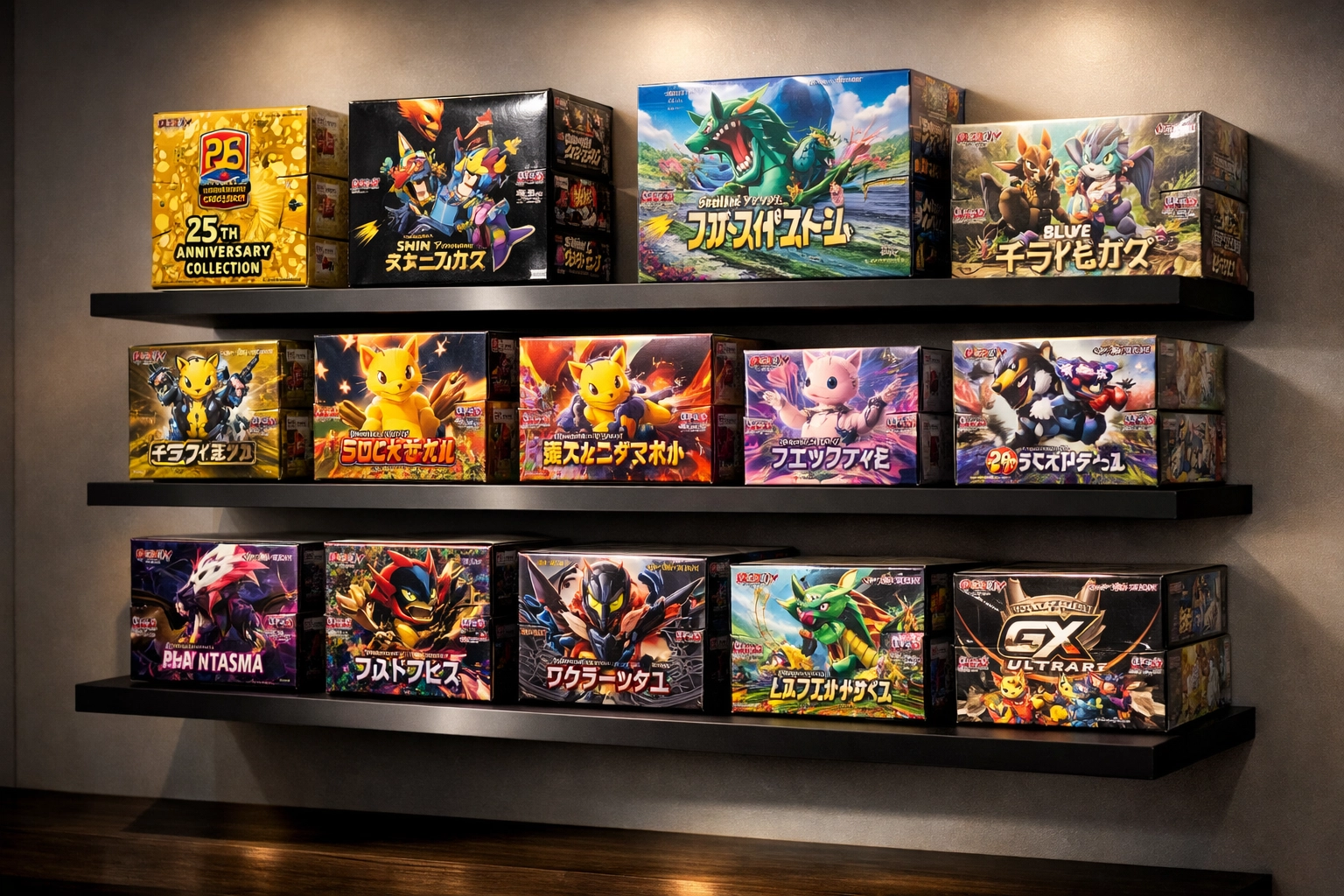
Smart Budget Allocation for 2026
Here's the approach that works for most collectors: don't choose one or the other. Blend them.
If you're working with $300 monthly, consider this split:
- 60% sealed products ($180) : Build your foundation with booster boxes or ETBs that will appreciate steadily
- 40% singles ($120) : Target specific chase cards or fill collection gaps
This gives you the stability of sealed products while letting you scratch the itch for specific cards. As your budget grows, you can adjust the ratio based on your goals.
New collectors should lean heavier into sealed initially: maybe 70-80%. You're learning the market, understanding what sets resonate with you, and building a safety net. As your knowledge grows, shift more budget toward strategic singles purchases.
Where Authenticity Matters Most
Whether you choose sealed or singles, authenticity is non-negotiable. The counterfeit market has gotten sophisticated, and even experienced collectors get burned.
This is where working with trusted retailers makes all the difference. At Jay's Poke Hub, we guarantee 100% authenticity on every product: whether you're grabbing sealed Japanese products or hunting through our singles collection.
Fast shipping nationwide means you're not waiting weeks for your cards to arrive, and expert guidance is available if you need help deciding between that sealed box or those three chase singles you've been eyeing.
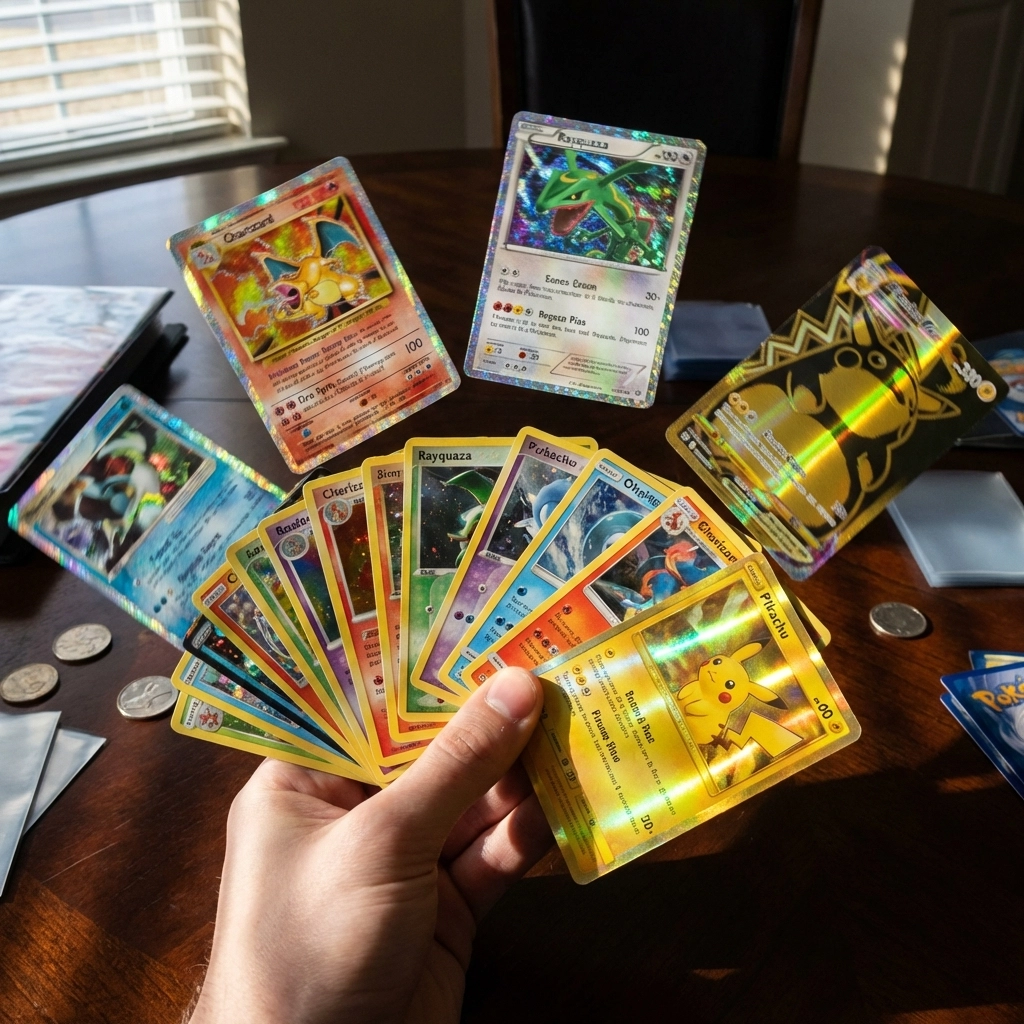
The Hybrid Strategy That Actually Works
The collectors who build the strongest portfolios in 2026 aren't picking sides: they're running a hybrid approach.
Here's the play: Use sealed products as your foundation. These are your safety net, your steady appreciation, your long-term holds. Then, when you crack packs (because let's be honest, we all crack packs eventually), grade the hits strategically.
That alt art you pulled? If it's pack-fresh and centering looks solid, grading could 3-5x the value. Now you've got both the sealed appreciation and the singles upside working for you.
For Japanese Pokémon cards specifically, this strategy hits differently because the print quality gives you a grading advantage. Your PSA 10 rate will likely be higher than with English products, which means more singles worth grading from your sealed rips.
Making Your Decision
So which is better for your collection in 2026? Here's the honest answer: it depends on three things.
Your timeline. Need returns in 6-12 months? Singles offer faster velocity. Playing the long game over 24+ months? Sealed products deliver more consistent appreciation.
Your risk tolerance. Comfortable with volatility and active market management? Singles let you capitalize on hype cycles and meta shifts. Prefer stability and passive growth? Sealed is your lane.
Your expertise level. New to the hobby? Start with sealed. You'll learn set values, popular Pokémon, and market patterns while your collection grows safely. Been collecting for years? You've probably got the knowledge to play the singles game effectively.
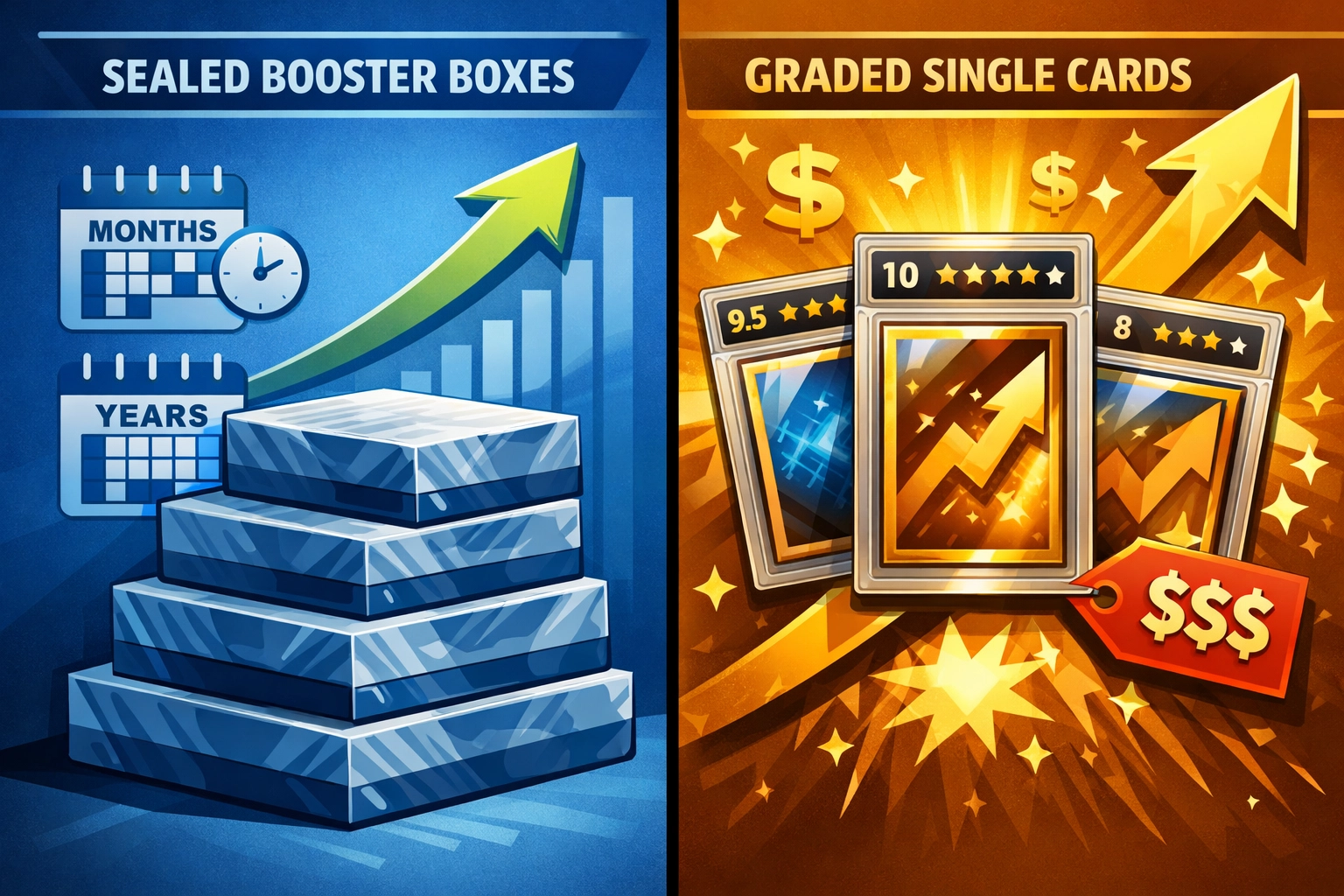
The beautiful thing about collecting in 2026 is that both strategies work. Sealed Japanese Pokémon cards offer that steady, reliable growth that lets you sleep easy. Singles give you the thrill of the hunt and the explosive upside potential.
Most collectors find their sweet spot somewhere in the middle: a foundation of sealed products with strategic singles purchases sprinkled in. Figure out what fits your goals and budget, then commit to it.
And remember: whether you're team sealed, team singles, or running that hybrid strategy, buying from trusted sources with authenticity guarantees keeps your collection protected. Because the best strategy in the world doesn't matter if your cards aren't real.
What's your next move?


