

Cart
0

Here's the truth: by the time everyone's talking about a card's price spike, you've already missed the window. The collectors who make smart investments don't wait for Reddit threads or YouTube videos to tell them what's valuable. They spot the signals early, move fast, and secure cards before the market catches on.
Finding undervalued Pokemon TCG singles isn't about luck. It's about knowing where to look, which tools to use, and recognizing the patterns that precede price jumps. Let me show you exactly how to do it.
Use Multiple Price Tracking Tools (Not Just One)
Relying on a single pricing source is the fastest way to miss opportunities. The collectors who consistently find undervalued cards use 2-3 tools in combination to spot discrepancies and identify genuine market movement.
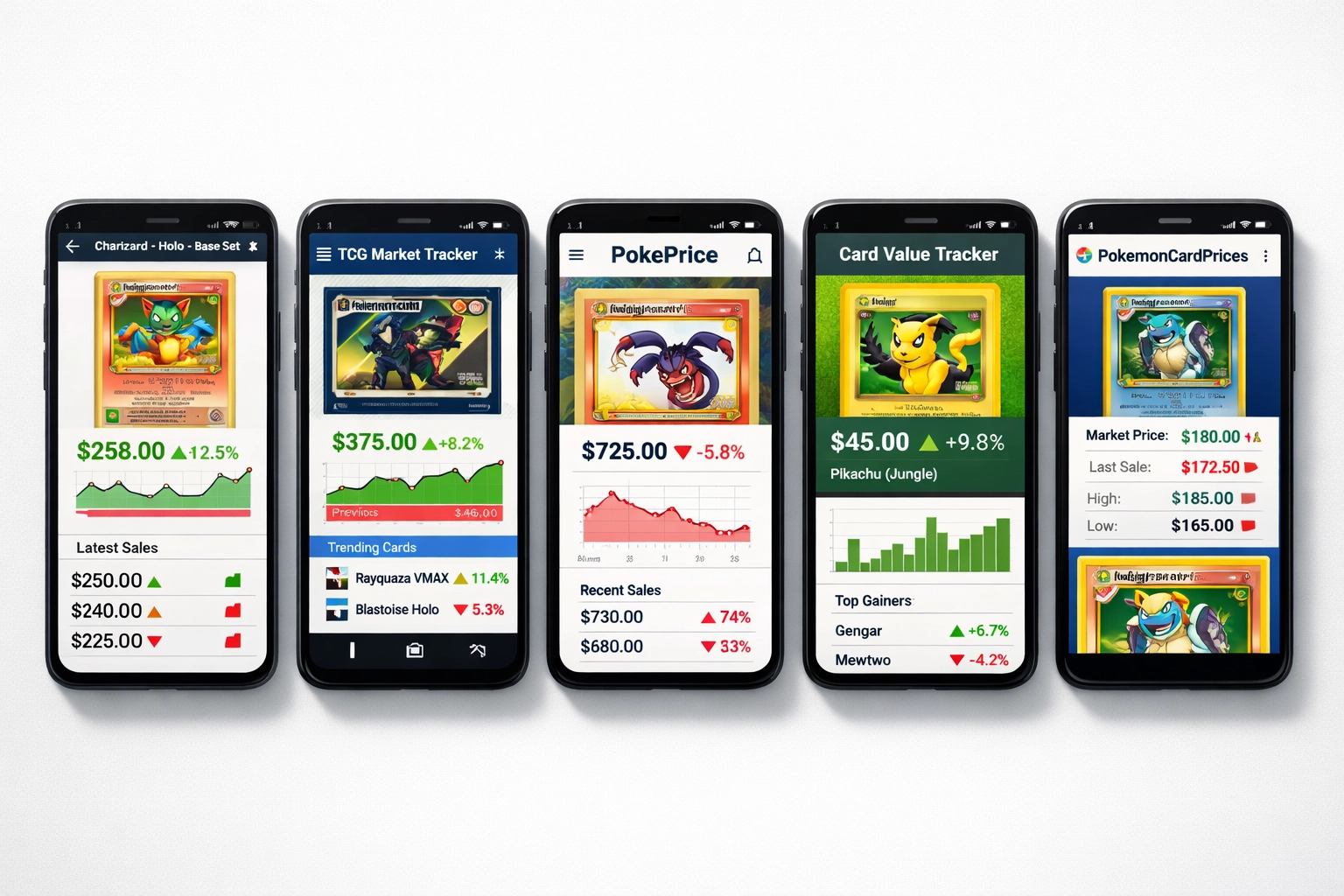
Start with TCGplayer's Market Price as your baseline. Their algorithm uses volume-weighted moving averages that filter out extreme outliers, giving you a reliable snapshot of what cards actually sell for. Set up price alerts on cards you're watching: this lets you monitor movement in real-time without constantly checking prices manually.
Cross-reference with PriceCharting's historical data. This platform aggregates completed sales from eBay, Heritage Auctions, and PWCC. The price history charts reveal whether a card's value is rising, falling, or stable over time. When you see a card trending upward for 30-90 days with steady volume, that's an early signal.
Add CardValue for percentage-based trend analysis. This tool shows 7-day, 30-day, 90-day, and 1-year price changes as percentages. You can instantly differentiate between temporary hype (sharp 7-day spike, flat 90-day) versus sustained growth (consistent increases across all timeframes).
The magic happens when these tools disagree. If TCGplayer shows a card at $15, but PriceCharting's recent sold listings average $22, you've found a potential arbitrage opportunity or a card about to correct upward.
Follow the Competitive Meta (Before the Masses Do)
Tournament results are the ultimate leading indicator for singles prices. When a deck performs well at a major event, specific cards spike within 48-72 hours. The trick? Track regional and smaller tournaments before the information goes mainstream.
Monitor Japanese tournament results closely. The Japanese competitive meta often previews what becomes popular in English markets 2-3 months later. When you see japanese pokemon cards dominating overseas tournaments, their English counterparts become prime targets.
Pay attention to:
- Deck tech videos from top players before major championships
- Regional tournament top 8 deck lists published on Pokemon.com
- Format rotation announcements that change which sets remain legal
- New set previews that might enable existing archetypes
Cards from older sets that synergize with new mechanics often see delayed price increases as players experiment with new combinations.
Target Graded Card Arbitrage Opportunities
Ungraded singles from desirable sets often sell for less than their graded equivalents would cost, even after factoring in grading fees. This creates a profitable opportunity if you can identify near-mint candidates.
Learn to assess condition accurately. Cards with clean edges, centered printing, minimal whitening, and no surface scratches are prime candidates for PSA or TAG grading. A raw card selling for $40 that grades PSA 9 or 10 could be worth $150-300.
Check out our graded pokemon cards collection to understand the premium that grading adds. Then hunt for undervalued raw copies of those same cards.
The sweet spot? Modern full art trainers, alternate art cards, and Japanese character rares from sets 1-2 years old. These often haven't been fully graded yet, creating opportunity before the market realizes their scarcity in high grades.
Mine Japanese Exclusive Cards Early
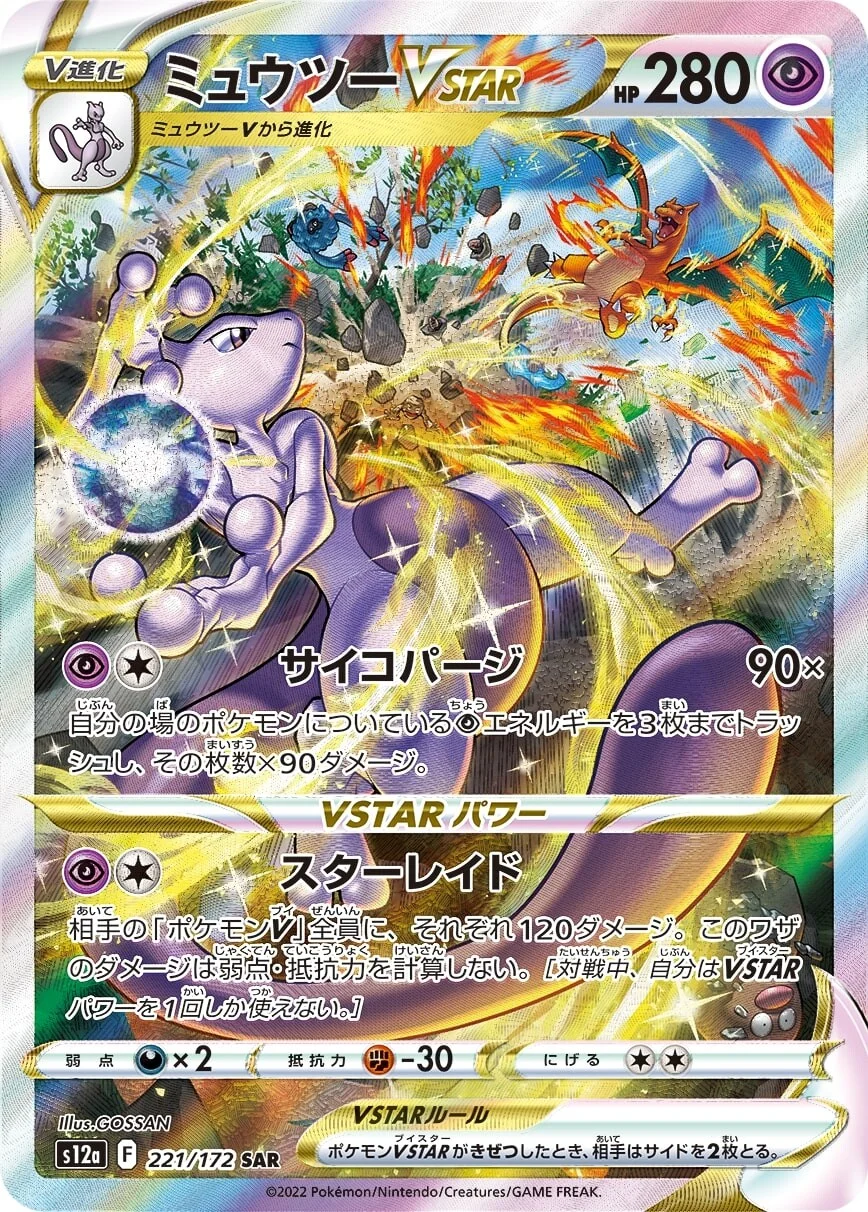
English collectors often overlook Japanese exclusives until prices have already climbed. By the time English-speaking YouTube channels cover these cards, you're paying 2-3x the original price.
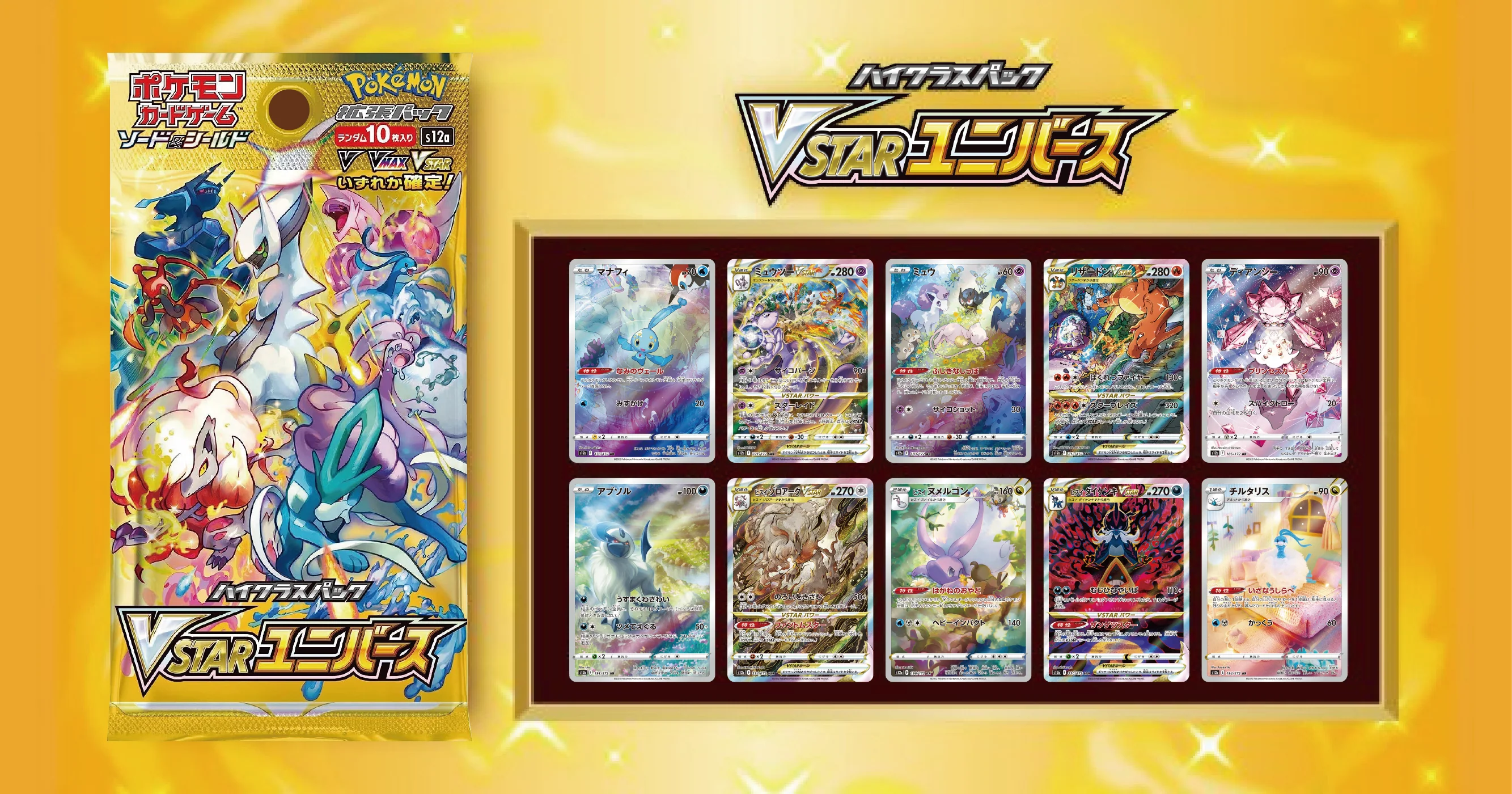
Follow Japanese Pokemon TCG accounts on social media and track release calendars for sets like High Class packs and promo boxes. Japanese Pokemon cards from special sets consistently appreciate faster than English equivalents because of limited print runs and collector demand.
Target these specifically:
- Character rare (CHR) cards featuring popular trainers
- Alternate art (SA/SAR) cards with unique illustration styles
- Promo cards from Japanese Pokemon Center exclusives
- Set subset chase cards like God Packs or special secrets
The Heat Wave Arena booster box is a perfect example: cards from newer Japanese sets often fly under the radar until supply tightens months after release.
Watch for Sealed Product Scarcity Signals
When sealed booster boxes become scarce or jump in price, the singles inside follow shortly after. This happens because fewer boxes being opened means reduced supply entering the market.
Track sealed product prices weekly. When you notice a specific set's booster boxes consistently selling 15-20% above MSRP, that's your signal to acquire key singles from that set before they spike.
This strategy works especially well for:
- Sets going out of print with popular chase cards
- Japanese sets with limited Western distribution
- Special sets like 151 or Crown Zenith with high collector interest
- Older sets where sealed product has dried up
Browse sealed pokemon products regularly to gauge which sets are becoming harder to find. Then target singles from those sets before the market fully adjusts.
Analyze Social Media Sentiment (Without the Noise)
Social media creates hype, but it also reveals genuine interest before prices move. The key is distinguishing between speculative noise and real collecting demand.
Use this filtering system:
- Ignore posts only showing pulls or flexes: these create temporary visibility without lasting value impact
- Pay attention to deck building discussions that repeatedly mention specific cards
- Track artist spotlights that drive interest in specific card illustrations
- Monitor Pokemon TCG influencer "sleeper pick" videos published before major events
When multiple independent sources mention the same card within a short window, that's confirmation of growing interest. But when you see a single viral post causing a card to jump 30% overnight? That's usually a temporary spike that corrects within weeks.
Set Up Automated Deal Alerts
Manual searching is too slow. By the time you check your favorite marketplace, the undervalued singles are gone. Automation gives you the competitive edge.
Create saved searches on:
- eBay with notifications for newly listed auctions and Buy It Now listings
- TCGplayer with price drop alerts on your watchlist
- Local marketplace apps like Facebook Marketplace or Mercari using Pokemon TCG keywords
Filter by ending soon auctions, newly listed items, or price drops from established sellers. The goal is to be among the first to see undervalued listings, giving you time to evaluate and purchase before competition drives prices up.
Trust Long-Term Patterns Over Short-Term Hype
The fastest way to lose money? Chasing cards already mid-spike. The fastest way to build a valuable collection? Identify cards with steady, sustained growth patterns that indicate genuine long-term demand.
Look for cards showing:
- Consistent 10-15% monthly growth over 6+ months
- Stable sales volume (not just a few outlier sales)
- Cross-format appeal (playable in multiple competitive formats)
- Iconic Pokemon or popular character featuring
- Limited availability from out-of-print sets
These factors compound over time. A card growing 15% monthly doubles in value every 5 months. Starting with a $20 card growing at this rate, you're looking at $40 in five months, $80 in ten months.
Start Building Your Position Today
Finding undervalued Pokemon TCG singles before prices spike isn't about insider information or lucky timing. It's about systematic research, multiple data sources, and recognizing patterns before the mainstream market catches on.
Check out our Pokemon card singles collection to start building positions in undervalued cards. Whether you're targeting competitive staples, Japanese exclusives, or grading candidates, the best time to buy is before everyone else realizes the opportunity.
The market rewards those who do the work. Use these strategies consistently, and you'll consistently find value others miss.


